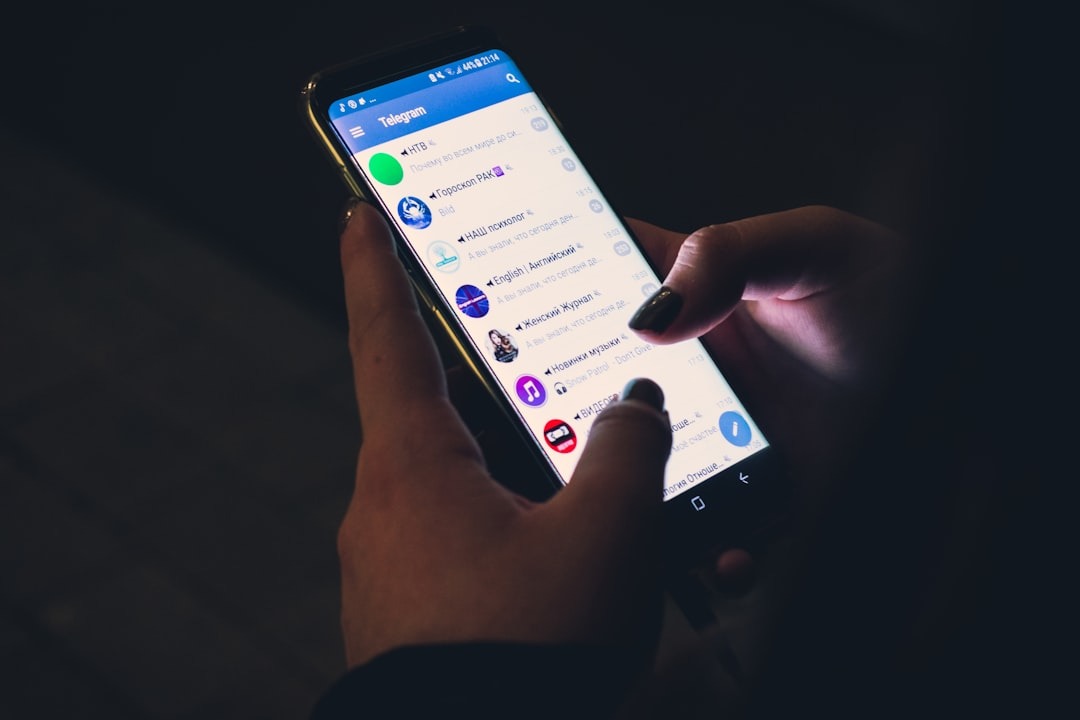
In today’s fast-paced world, technology has revolutionized how people meet and form relationships. Gone are the days when traditional dating methods were the only way to find a partner. Now, dating apps and websites have become a mainstream method for connecting singles. But just how significant is their impact? Let’s delve into the world of online dating and uncover what percentage of relationships are from dating apps.
The Rise of Online Dating
Over the past decade, online dating has experienced a meteoric rise. With the proliferation of smartphones and the internet, dating apps have become increasingly popular, offering a convenient and efficient way to meet new people. According to recent studies, more than one-third of marriages in the United States begin online, a testament to the growing influence of digital platforms in the dating landscape.
The Historical Context of Online Dating
The inception of online dating can be traced back to the late 1990s, with platforms like Match.com paving the way. Initially, these platforms faced skepticism, but as technology advanced, so did their acceptance. Over time, the stigma surrounding online dating diminished, allowing it to become a socially acceptable way to meet potential partners.
Technological Advances and Their Impact
The development of smartphones and high-speed internet has dramatically impacted how people date. Mobile apps like Tinder and Bumble have transformed the dating scene, offering instant access to potential matches. These technological advancements have made it easier for people to find partners, regardless of geographic location, fostering a more global dating culture.
Changing Social Norms
As society evolves, so do its dating norms. The acceptance of online dating is part of a broader shift towards digital interactions. This change is partly driven by younger generations, who are more comfortable with technology and value its convenience. As these generations age, the prevalence of online dating is expected to rise even further.
The Global Perspective
While the focus is often on the United States, online dating is a global phenomenon. In countries like China and India, where arranged marriages have traditionally dominated, online dating is gaining traction. These platforms offer a new avenue for individuals to find partners independently, reflecting a global shift in dating practices.
The Influence of Social Media
Social media platforms, while not exclusively for dating, play a significant role in modern relationships. Many people use these platforms to connect and form relationships, blurring the lines between social media and online dating. This convergence has expanded the possibilities for online connections, making it easier than ever to meet new people.
How Many Relationships Start Online?
The question of how many relationships start online is complex. Various studies and surveys have produced differing statistics, but a common estimate is that around 40% of relationships now begin online. This includes couples who meet on dating apps, social media, and other internet platforms. The trend is expected to continue growing as technology becomes even more embedded in our daily lives.
Survey Insights and Methodologies
Different surveys employ various methodologies to gather data on online dating, leading to a range of results. Some focus on specific demographics, while others take a broader approach. Understanding these methodologies helps provide a clearer picture of how many relationships truly begin online.
Factors Influencing Online Relationships
Several factors influence the likelihood of forming a relationship online, including age, location, and personal preferences. Younger individuals are more likely to use digital platforms, while urban residents have more access to a wider pool of potential partners. These factors contribute to the increasing percentage of relationships starting online.
Comparing Online and Traditional Dating
Comparing online dating to traditional methods reveals several advantages and disadvantages. Online dating offers convenience and a larger pool of potential partners, but it also comes with challenges like misrepresentation and superficiality. Understanding these differences can help individuals choose the best approach for their relationship goals.
The Role of Algorithms
Algorithms play a crucial role in online dating, influencing the matches users see. These algorithms are designed to increase compatibility by analyzing user data and preferences. While not foolproof, they enhance the chances of finding a suitable partner, contributing to the growing number of online relationships.
Long-Term Trends
Long-term trends indicate that online dating will continue to grow in popularity. As technology becomes more ingrained in daily life, more people will turn to digital platforms for dating. This shift will likely result in an even higher percentage of relationships beginning online in the coming years.
Success Rates of Online Dating
Online Dating Sites Success Rate
Success rates for online dating sites can vary widely depending on numerous factors such as the platform, user demographics, and individual preferences. However, on average, dating apps have a success rate of about 20% to 30%, meaning that one in five to one in three users find a meaningful relationship through these platforms.
Factors Affecting Success Rates
Several factors influence the success rates of online dating, including the platform’s user base, its matching algorithm, and the user’s level of engagement. Platforms with a large, diverse user base and advanced algorithms tend to have higher success rates. Users who are active and engage with potential matches are also more likely to find success.
The Importance of User Intentions
User intentions play a significant role in the success of online dating. Those seeking serious relationships may find greater success on platforms geared toward long-term connections, while those seeking casual encounters may prefer apps designed for that purpose. Understanding and aligning with a platform’s focus can enhance the chances of finding a compatible match.
The Impact of Profile Quality
The quality of a user’s profile can significantly affect their success on dating apps. Profiles with clear, genuine photos and well-written descriptions are more likely to attract interest. Investing time in creating a compelling profile can improve engagement and lead to more meaningful connections.
The Role of Communication
Effective communication is key to success in online dating. Users who are open, honest, and respectful in their interactions tend to have better outcomes. Building strong communication skills can help users navigate the online dating landscape and form lasting relationships.
Read more: What Percentage Of 2nd Marriages End In Divorce
Cyber Dating Statistics
Cyber dating statistics reveal fascinating insights into the world of online romance. For instance, studies show that men are more likely to initiate contact on dating apps, while women tend to be more selective. Additionally, certain apps are known for fostering long-term relationships, while others are geared more towards casual dating. Understanding these dynamics can help users choose the right platform to meet their relationship goals.

by John Schnobrich (https://unsplash.com/@johnishappysometimes)
Gender Dynamics in Online Dating
Gender dynamics in online dating are complex and vary across platforms. Men often take the initiative in messaging, while women exercise more selectivity. This dynamic reflects traditional dating roles, though modern apps are challenging these norms by empowering women to make the first move.
Age and Online Dating
Age is another important factor in cyber dating. Younger users dominate platforms like Tinder and Bumble, while older demographics prefer sites like eHarmony. Each age group has different expectations and experiences, influencing their approach to online dating and the likelihood of forming successful relationships.
The Influence of Geography
Geography plays a significant role in online dating, affecting user preferences and platform popularity. Urban areas tend to have more active users and a greater variety of platforms, while rural areas may have fewer options. Understanding geographic trends can help users find the best platform for their location.
Cultural Considerations
Cultural differences also impact online dating dynamics. In some cultures, online dating is more accepted and prevalent, while in others, traditional dating methods are still preferred. Being aware of cultural norms and expectations can help users navigate online dating more effectively.
App-Specific Trends
Each dating app has its own trends and user base. Some apps, like Tinder, are known for casual dating, while others, like OkCupid, focus on long-term relationships. Understanding these app-specific trends can help users choose the platform that aligns with their dating goals.
What Percentage of Couples Meet Online?
The percentage of couples who meet online has been steadily increasing. Recent data suggests that approximately 39% of couples in the United States meet through online platforms. This shift reflects changing societal attitudes toward online dating, with many people now viewing it as a legitimate and effective way to find love.
Societal Acceptance of Online Dating
The acceptance of online dating has grown significantly over the years. Once seen as a last resort, it is now a mainstream way to meet potential partners. This shift in perception is reflected in the increasing percentage of couples who meet online.
The Role of Media in Shaping Perceptions
Media plays a significant role in shaping perceptions of online dating. Positive portrayals in movies, TV shows, and articles have contributed to its acceptance. As media continues to highlight successful online dating stories, societal acceptance is likely to grow.
Demographic Trends
Demographic trends show that younger generations are more likely to meet partners online. Millennials and Gen Z, who grew up with technology, are more comfortable using digital platforms for dating. As these generations enter prime dating years, the percentage of couples meeting online is expected to increase.
The Influence of the Pandemic
The COVID-19 pandemic accelerated the adoption of online dating as people sought connections while social distancing. This period saw a surge in online dating usage, with many couples meeting and forming relationships online. The pandemic’s impact on dating habits is likely to have long-lasting effects.
Global Comparisons
Globally, the percentage of couples who meet online varies by region. In countries with high internet penetration and tech adoption, online dating is more common. Understanding these global trends can provide insights into the future of online dating worldwide.
What Gender Online Dates More?
When it comes to gender dynamics in online dating, men are generally more active users of dating apps. Studies have shown that men are more likely to use dating platforms and send more messages compared to women. However, women tend to receive more messages and have a higher success rate in terms of forming connections.
Male Usage Patterns
Men are typically more active on dating apps, sending more messages and initiating contact more frequently. This pattern is consistent with traditional dating norms, where men often take the initiative. Understanding male usage patterns can help platforms tailor their features to enhance user experience.
Female Engagement and Success
Women, while less active in terms of message initiation, tend to have higher engagement and success rates. This is partly due to the selectivity women exercise, leading to more meaningful connections. Platforms that empower women to take control, such as Bumble, have seen success in balancing these dynamics.
The Role of Inclusivity
Inclusivity in online dating is becoming increasingly important. Platforms are expanding to include diverse gender identities and orientations, offering more inclusive options for users. This shift is helping to create a more equitable online dating environment for all genders.
Strategies for Engaging Both Genders
Dating platforms are implementing various strategies to engage both genders effectively. Features like mutual matching, conversation starters, and safety measures are designed to enhance the experience for all users. These strategies aim to balance gender dynamics and improve user satisfaction.
Addressing Gender Imbalances
Addressing gender imbalances in online dating requires understanding the underlying factors. Platforms are exploring ways to encourage more balanced interactions, such as rewarding respectful behavior and promoting gender-neutral features. These efforts are crucial for creating a positive dating environment.
The Role of Technology in Modern Dating
Internet Dating Success Rates
The success rates of internet dating are influenced by several factors, including the quality of the platform, user engagement, and the algorithms used to match potential partners. Advanced technology and data analytics have significantly improved the accuracy of matchmaking, increasing the chances of finding compatible partners.
The Evolution of Matchmaking Algorithms
Matchmaking algorithms have evolved significantly over the years, becoming more sophisticated and accurate. These algorithms analyze vast amounts of data to identify patterns and preferences, improving match quality. As technology advances, algorithms will continue to enhance the online dating experience.
The Impact of Artificial Intelligence
Artificial intelligence (AI) is playing an increasingly important role in online dating. AI-driven features, such as chatbots and personalized recommendations, are enhancing user engagement and success. These technologies are helping users find matches more efficiently and creating a more personalized dating experience.
Virtual Reality and the Future of Dating
Virtual reality (VR) is poised to revolutionize online dating by offering immersive experiences. VR dating can simulate real-life interactions, allowing users to connect in virtual environments. As VR technology becomes more accessible, it may become a popular feature in online dating.
The Importance of Data Privacy
With the increasing use of technology in dating, data privacy has become a critical concern. Platforms are investing in security measures to protect user data and ensure safe interactions. Understanding and addressing privacy concerns is essential for maintaining user trust and satisfaction.
Online Dating Industry Statistics
The online dating industry is booming, with millions of users worldwide. In the United States alone, over 30 million people use dating apps, with the industry generating billions of dollars annually. As more people turn to digital platforms for dating, the industry continues to evolve, offering new features and services to enhance the user experience.

by Austin Distel (https://unsplash.com/@austindistel)
Market Growth and Trends
The online dating industry has experienced significant growth, driven by technological advancements and changing social norms. This growth is reflected in increased user numbers and revenue. Understanding market trends can help stakeholders identify opportunities for innovation and expansion.
Key Players in the Industry
Several key players dominate the online dating industry, including Match Group, Bumble, and eHarmony. These companies have established strong brand identities and user bases, contributing to their success. Analyzing their strategies can provide insights into effective practices in the industry.
Emerging Platforms and Innovations
New platforms and innovations are continuously emerging in the online dating space. Features like video dating, AI matchmaking, and niche dating apps are gaining popularity. Keeping up with these innovations is crucial for platforms looking to stay competitive and attract users.
Economic Impact of Online Dating
The economic impact of online dating extends beyond the platforms themselves. It influences related industries, such as event planning, travel, and fashion. Understanding this broader economic impact can highlight the importance of online dating in today’s economy.
Challenges and Opportunities
The online dating industry faces several challenges, including competition, user retention, and privacy concerns. However, these challenges also present opportunities for innovation and growth. Addressing these challenges effectively can help platforms thrive in a competitive market.
Married Internet Dating
Interestingly, a segment of the population using dating apps includes married individuals. While this might seem surprising, some people use these platforms to explore new relationships or for non-romantic purposes, such as making new friends or networking. It’s crucial for users to be transparent about their intentions to avoid misunderstandings and ensure a positive experience for all parties involved.
The Phenomenon of Married Dating
The phenomenon of married individuals using dating apps is more common than one might think. Some seek new romantic connections, while others look for platonic relationships or networking opportunities. Understanding the motivations behind married dating can provide insights into this complex dynamic.
Ethical Considerations
Married dating raises ethical considerations, particularly regarding honesty and transparency. Users must be upfront about their relationship status and intentions to avoid deception. Platforms can play a role by promoting ethical behavior and providing features that encourage honesty.
The Impact on Relationships
The impact of married dating on existing relationships can vary. For some, it leads to the end of a marriage, while others use it to explore polyamory or open relationships. Understanding these dynamics can help individuals navigate the complexities of married dating.
Support and Resources
Support and resources are available for individuals navigating married dating. Counseling and support groups can provide guidance and help individuals make informed decisions. Accessing these resources can improve outcomes and ensure a positive experience.
The Role of Technology in Facilitating Married Dating
Technology plays a significant role in facilitating married dating, offering discreet and convenient ways to connect. Features like private messaging and secure profiles help maintain privacy. Understanding how technology supports married dating can highlight its impact on relationships.
The Future of Online Dating
Trends and Predictions
Looking ahead, the future of online dating appears promising. As technology advances, we can expect more innovative features, such as virtual reality dating and enhanced AI matchmaking. These developments will likely make online dating even more efficient and enjoyable, further increasing the percentage of relationships that start through these platforms.
The Role of Emerging Technologies
Emerging technologies, such as augmented reality and blockchain, are set to influence the future of online dating. These technologies can enhance user experience and security, offering new possibilities for innovation. Staying informed about these developments is crucial for platforms and users alike.
The Influence of Cultural Shifts
Cultural shifts will continue to shape the future of online dating. As society becomes more inclusive and diverse, dating platforms will need to adapt to meet changing expectations. Understanding these cultural shifts can help platforms remain relevant and appealing to users.
The Impact of Regulation
Regulation is likely to play a larger role in the future of online dating. Governments may implement policies to protect user data and ensure ethical behavior. Platforms must stay informed about regulatory changes to remain compliant and build user trust.
Opportunities for Growth and Expansion
The future of online dating presents numerous opportunities for growth and expansion. Platforms can explore new markets, develop innovative features, and enhance user experience. Identifying and capitalizing on these opportunities will be key to success in the evolving online dating landscape.
Online Dating Services Statistics
Statistics indicate that online dating services will continue to grow in popularity. As societal norms shift and technology becomes more integrated into our lives, more people will turn to digital platforms to find love. This trend is particularly evident among younger generations, who are more comfortable with technology and value convenience in their dating experiences.
The Growth of User Base
The user base for online dating services is expanding rapidly, driven by technological advancements and changing social attitudes. This growth is particularly pronounced among younger generations, who are more tech-savvy and open to digital interactions. Understanding this trend can help platforms tailor their services to meet user needs.
Revenue Projections
Revenue projections for the online dating industry are optimistic, with significant growth expected in the coming years. This growth is fueled by increased user engagement and the development of premium features. Platforms that capitalize on these opportunities can expect to see substantial financial success.
Market Segmentation
Market segmentation is becoming increasingly important in the online dating industry. Niche dating apps catering to specific interests, demographics, or preferences are gaining popularity. Understanding market segmentation can help platforms identify and target specific user groups effectively.
User Satisfaction and Retention
User satisfaction and retention are key challenges for online dating platforms. Providing a positive user experience and ensuring high retention rates are crucial for long-term success. Platforms that prioritize user satisfaction can build loyal user bases and maintain a competitive edge.
The Role of Partnerships
Partnerships and collaborations are becoming more common in the online dating industry. These partnerships can enhance user experience by offering additional features or services. Exploring potential partnerships can provide platforms with new opportunities for growth and innovation.
Conclusion
In conclusion, online dating has transformed the way people meet and form relationships. With approximately 40% of relationships now starting online, dating apps and websites have become a vital part of modern romance. As technology continues to evolve, the success rates and popularity of online dating are expected to increase, making it an integral part of the dating landscape for years to come. Whether you’re looking for a serious relationship or just exploring your options, online dating offers a wide range of possibilities to meet your match. For more insights on modern dating trends, visit MaleDelusionCalculator.
The Lasting Impact of Online Dating
The impact of online dating on modern relationships is profound and enduring. It has reshaped societal norms and expectations, offering new ways to connect and form relationships. As online dating continues to evolve, its influence on romantic relationships will likely grow, solidifying its role in modern dating culture.
Navigating the Online Dating Landscape
Navigating the online dating landscape requires understanding its complexities and dynamics. From choosing the right platform to crafting a compelling profile, users must be informed and strategic in their approach. By understanding these aspects, individuals can enhance their online dating experience and increase their chances of success.
The Role of Online Dating in Modern Romance
Online dating plays a crucial role in modern romance, offering diverse opportunities for connection. It caters to various preferences and lifestyles, making it accessible to a wide range of individuals. As technology continues to advance, online dating will remain a significant part of the romantic landscape, offering endless possibilities for those seeking love and companionship.